
Wrote by Elizabeth Marcoux
An airline flight attendant is fired after a lighthearted TikTok in uniform. This raises the question: Can an employer really fire an employee over personal social media content? Through this blog we will explore the case of Nelle Diala, a flight attendant who was fired after posting a dancing TikTok between flights in uniform, and her rights under the National Labor Relations Act (NLRA).
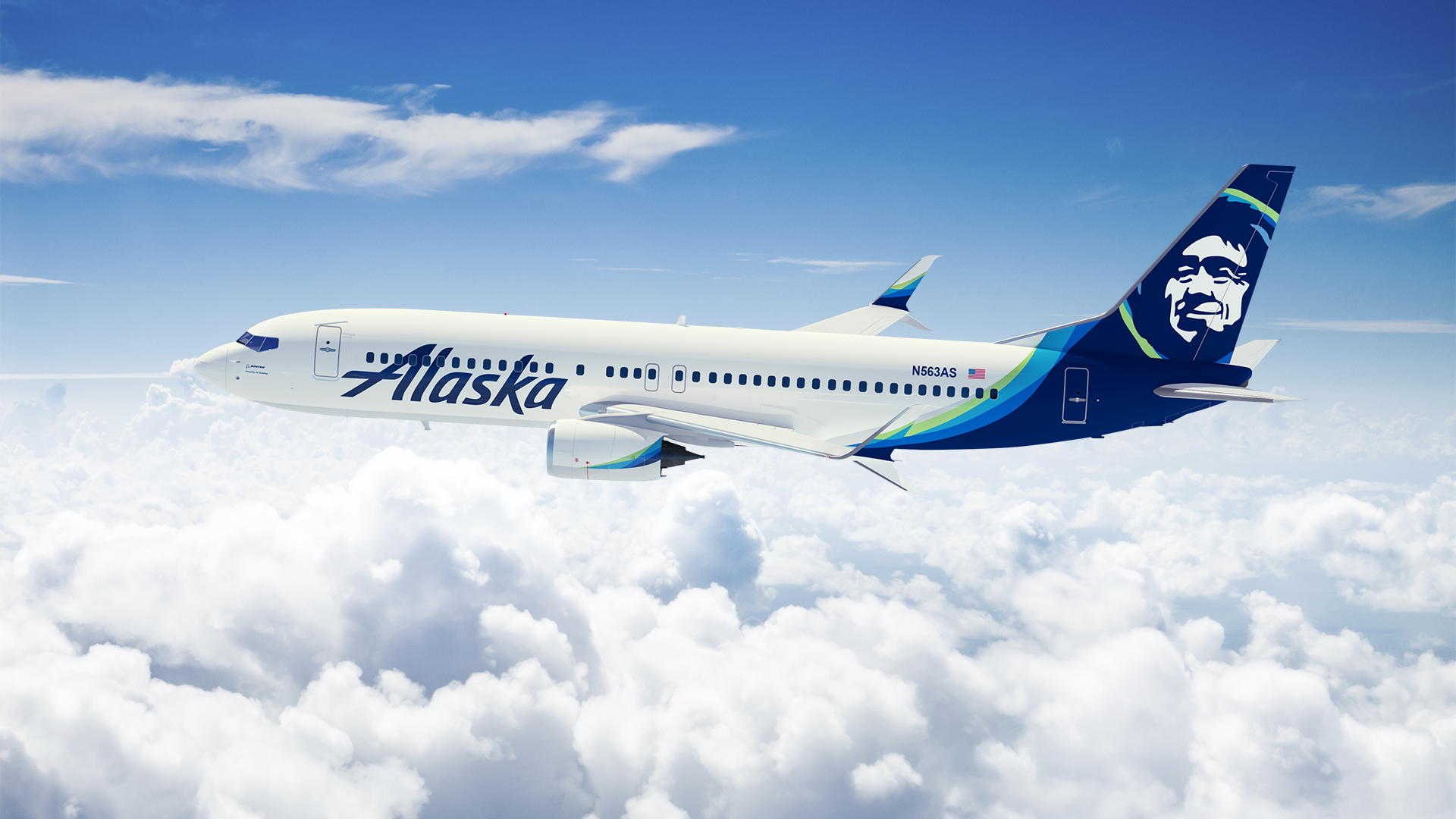
The TikTok That Led to Termination
On November 17, 2024 Nelle Diala posted a TikTok dancing in the aisles of an empty Alaska Airlines flight while she was on a layover waiting for the next pilots. According to a People article she captioned her video, “Ghetto bih till i D-I-E, dont let the uniform fool you”. Although this was a lighthearted 15 second video, Diala’s employment was still terminated after her video went viral. Alaska Airlines has a company policy stating that employees are prohibited from representing their company on their own personal profiles and they must make it clear that all of their profiles are personal. Although Diala never stated her employer, she was in her distinct uniform that is unique to Alaska Airlines. Diala expressed heartbreak over the firing because as she states, this was her “dream job”. Diala stated in the People article, “I explained that the video wasn’t intended to harm anyone or the company, but they didn’t want to listen. Without warning, they terminated me. No discussion, no chance to defend myself-and no chance for a thorough and proper investigation”. While Diala saw this as harmless fun, her employer saw it as a violation which brings us to the next question, where do we draw the line?
Company Policy vs. Employee Expression
Diala may believe that her actions would be protected under the NLRA, but is this true? According to the NLRA, “The NLRA protects workplace democracy by providing employees at private-sector workplaces the fundamental right to seek better working conditions and designation of representation without fear of retaliation”. In Dialas circumstance, she was not referring to any working conditions, wages, or hours which means her post was not protected by the NLRA. Since her video violated the company’s clear social media policy, Alaska Airlines was within its legal rights to terminate her employment. It is a common misconception that the NLRA protects all personal social media activity, but this is not the case.
Justified or Overreaction
Although Alaska Airlines was well within their rights to terminate the employment of Diala, many are still left wondering if the punishment fits the post. Diala’s TikTok didn’t use any offensive language (other than slang) and it also did not make any negative comments about the airline, or even mention the airline. This question highlights a growing issue in the digital age, how far should an employer be able to control their employees personal social media? This case raises the important question: should there be room for conversation or clarification before termination-especially when social media is such a routine part of most people’s daily lives? It is essential that both companies and their employees fully understand their social media policies and where the boundaries lie.
Conclusion
In today’s society, we must be conscious of everything we put on social media because the access to our posts are unlimited. Although the case of Nelle Diala may seem unfair, her actions were not protected under NLRA and Alaska Airlines were within their rights to terminate Diala. The NLRA is in place to protect employees speaking out about wages, hours, and conditions but can easily be misunderstood as protecting freedom of speech. While we are all free citizens who can speak out on whatever we want, it is crucial that employees understand that once you are working for a company you must follow their policies or they have the right to terminate you. Always stay aware and protect yourself from future termination by doing your research and understanding both individual company policies and the NLRA.
Helpful Links
 Teaching Social Media