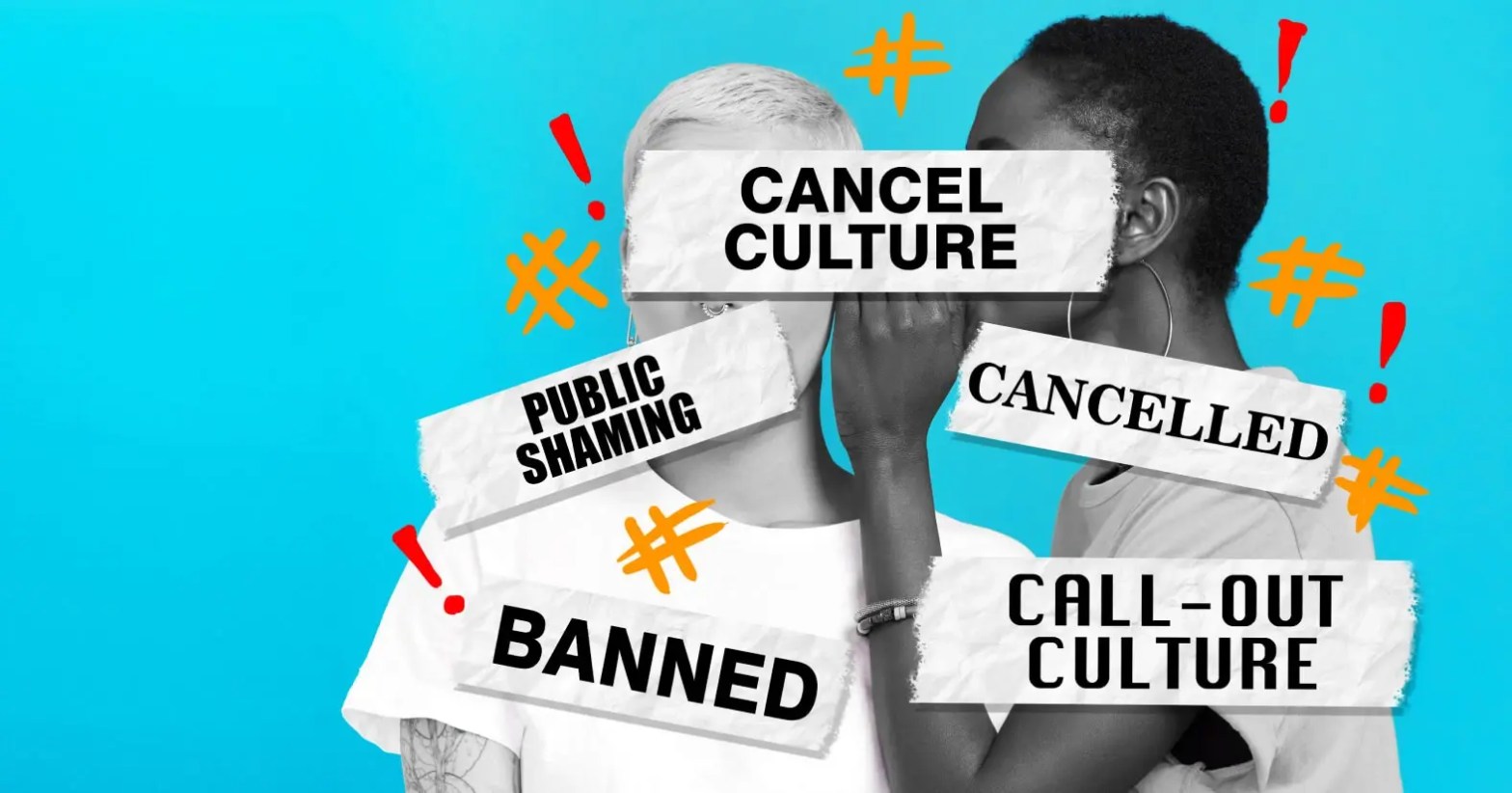
With the power of social media, a single post can elevate your company’s voice – or silence you completely. Companies and their employees operate in an environment that allows every word or action to be scrutinized, spread, and dissected by a global audience on social media. This reality has led to the modern-day phenomenon, commonly known as “cancel culture”.
While being held accountable is crucial, the line between holding companies and their employees responsible and complete social rejection has started to blur, leading to challenges for companies and creators striving to make an impact. How do we navigate this balance? How can we allow employees to express themselves while avoiding unintentionally problematic content?

What is Cancel Culture?
Cancel culture is a practice that has gained a great amount of attention in today’s digital age. But what is it?
Cancel culture describes the act of publicly calling out, and essentially boycotting individuals or companies when their behavior, actions, or statements are perceived to be harmful or offensive by the general public. It is based on the concept of accountability and has become increasingly prevalent with social media platforms increasing the spread of public reactions and criticisms.
The Power of Cancel Culture
Cancel culture wields significant power in shaping how the public views a company or creator and holds people and institutions accountable in unprecedented ways. A single viral post can initiate widespread scrutiny, often leading to consequences such as loss of jobs, endorsements, or public trust. Individuals have the power to unite through social networks, giving them the ability to call out perceived injustices, and amplifying their voices.
While the power of cancel culture can drive meaningful change, it also has the potential to change into a form of public shaming that limits open dialogue and induces fear rather than growth. Its quick and often unforgiving nature leaves little room for nuance, genuine apologies, or the opportunity for personal or institutional redemption. In some cases, individual creators or organizations have faced backlash over misunderstandings, historical actions viewed through a modern lens, or isolated mistakes blown out of proportion.
Check out these popular brands that have been canceled.
What is a Social Media Policy?
A social media policy is a document that is continuously updated and outlines how a company and its employees should conduct themselves online. This policy helps to protect the company’s reputation and properly share its message online.
The purpose of a social media policy is to safeguard a company’s reputation, help employees understand how to use social media and promote their brand, create brand consistency, prevent companies from being liable for what their employees contribute on social media, and manage employee conduct.
What to Include in a Social Media Policy
Although social media policies vary depending on the type of organization they are designed for, there are certain aspects that every policy should touch upon.
- Policy definition: who does the policy apply to and what social media platforms does the policy cover?
- Acceptable use: detail which employees are permitted to post on official social media accounts and how to respond to the public in regards to customer service.
- Personal social media use: clearly outline the standards for employees when posting on their personal social media accounts, including what is and is not acceptable in regards to posts directly associated with the company. This section should also include expectations for employees when interacting with social media posts.
- Security and privacy: emphasize the importance of confidentiality and specific consequences for leaking private company information online.
- Legal guidelines: provide clear guidelines on how to comply with regulations, copyright laws, and marketing restrictions.
- Enforcement and consequences: state how the company monitors social media channels and outline disciplinary actions for violations of the social media policy.
Social Media Policy Examples
Coca-cola is an extremely well-known company with a social media policy that stands out for emphasizing professionalism while also encouraging employees to be brand ambassadors.
Dell is another company with a stand-out social media policy. Dell’s company provides employees with comprehensive training to understand how to represent their brand authentically and respectfully online.
Adobe is another great company to look at for inspiration when creating a strong social media policy. Their policy is concise and provides employees with specific details on how to protect the brand’s reputation and privacy.
Conclusion
A well-crafted social media policy is essential for navigating the complexities that come with today’s digital world. As cancel culture continues to influence creator and brand perception, having clear guidelines allows employees to communicate responsibly and protect the organization’s reputation. A strong policy helps avoid risks and fosters a culture of respect, authenticity, and inclusivity. By aligning social media practices with organizational values and providing proper training, companies can turn potential downfalls into opportunities for connection and growth in an increasingly scrutinized online world.
 Teaching Social Media