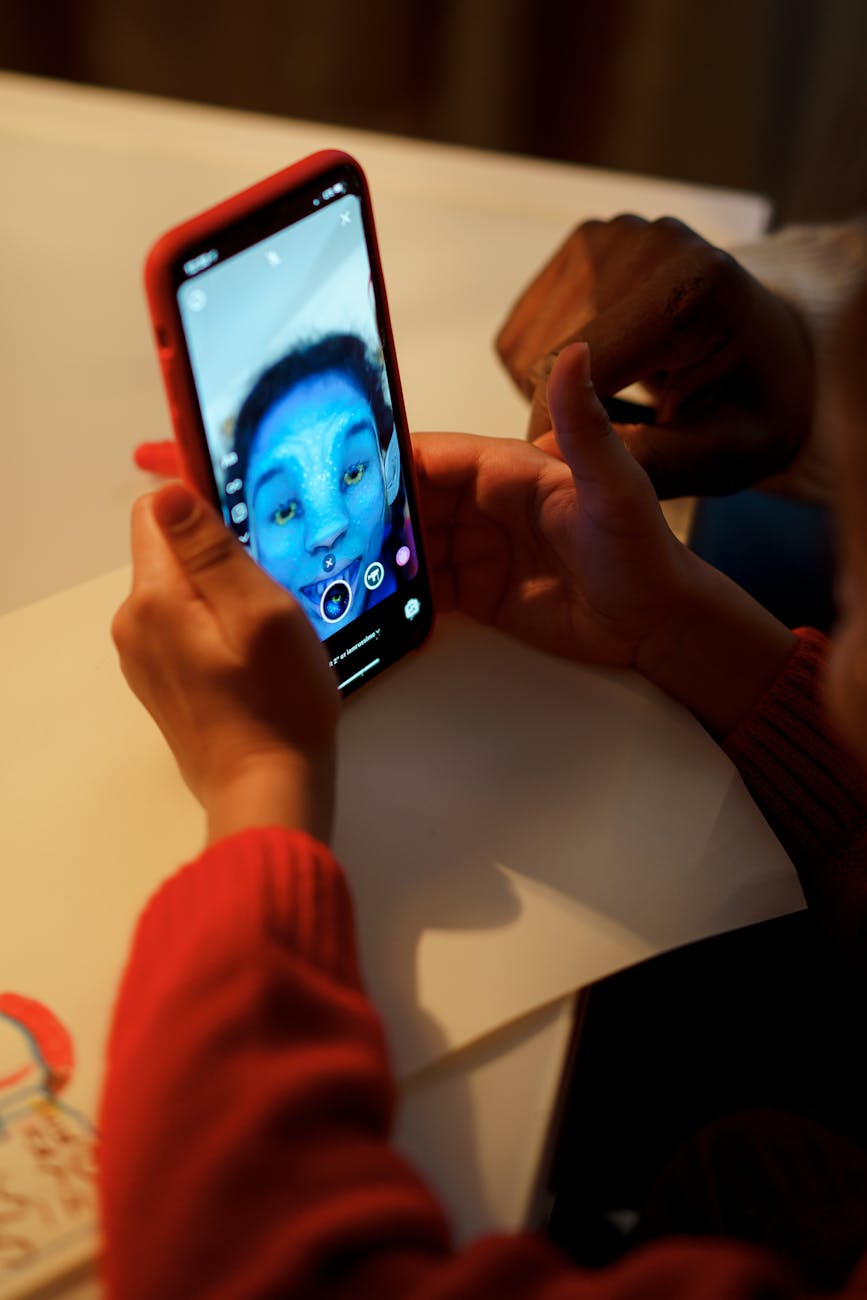
Augmented reality (AR) technology is revolutionizing the way that brands engage with their audiences through interactive and immersive experiences. On platforms like Snapchat, AR lenses have become a powerful tool for creating viral campaigns by offering ways for consumers to play branded games, take personality quizzes to discover personalized product matches, or virtually try out a product before they buy it. These interactive elements not only boost user engagement but also enhance the overall consumer journey by making it more fun and memorable. Let’s look at a couple of examples of successful campaigns on Snapchat and discover how AR technology helps them achieve their advertising goals.
Prada: Purse Try-On Campaign
Prada’s Purse Try-On AR filter on Snapchat is an example of how luxury brands leverage augmented reality to enhance consumer engagement and drive sales. It was first launched as part of a campaign to promote its latest handbag collection by allowing users to virtually try on different styles of Prada bags using their smartphone cameras. Using the lens, users can see how each purse looks on their shoulder or arm, providing a personalized shopping experience without stepping into a store.
This interactive approach makes shopping more convenient and also creates a sense of luxury associated with the Prada brand. The ease of sharing their virtual try-on experience with friends further amplifies the campaign’s reach, as users post snaps showing off their favorite bags. Additionally, the AR filter taps into the growing trend of online shopping, appealing particularly to younger audiences who seek instant gratification and convenience when shopping. This campaign highlights how AR can transform traditional retail experiences, ultimately leading to increased brand visibility and consumer loyalty in a competitive market.

Taco Bell: Cinco De Mayo Lens
In 2016, Taco Bell’s Cinco de Mayo AR lens on Snapchat became the most viral campaign capturing over 224 million people. The lens was a filter that transformed the users’ faces into a giant taco which caused many people to snap a pic to share among their friends. This suited Snapchat’s demographic perfectly. Many were young teens who enjoyed the silly and fun features which caused it to become viral within a short period of its launch.
Snapchat’s AR lens feature played a crucial role in the campaign’s viral success. It enabled users to interact with the brand in a new and memorable way. The lenses are easy to use, making it effortless for them to send fun snaps to their friends. This function allowed Taco Bell’s lens to quickly spread as users kept sending snaps to each other. Snapchat’s AR technology made the experience more personal. This fun aspect resonated with users and encouraged them to engage with the brand. Ultimately, Taco Bell’s campaign illustrates how AR can enhance brand engagement and drive massive visibility in a short period.

AR Now & The Future
Augmented reality enables brands to engage with customers through fun, interactive content rather than obvious and pushy promotions. By offering experiences like games and playful filters, AR fosters organic connections engagement, and sharing. The examples provided exemplify these advantages and show that the future of advertising lies in the use of AR to create brand campaigns.
 Teaching Social Media